
Proudly Serving
Families and Businesses in New Jersey.
Heating & Cooling in Cranford, NJ
24/7 Emergency Services — We are committed to our community.
Upgrade to a New Air Conditioning System for $0 Down & 0% Interest*
Early Bird AC Tune-Up-$69 in March $79 in April!*
Early Bird New HVAC System - Save $1500 in March, $750 April!*
Testimonials
New Jersey HVAC
The company for all your heating, ventilation, generator and air conditioning (HVAC) needs.
We are not just a regular Heating & Cooling company; we deal with the complex technical air conditioning and heating requests than any one out there . In addition to servicing home, our expertise ranges from servicing commercial office spaces to retail store fronts.

Fair & Reasonable Rates
Free Estimates Provided Before Starting Any Job

Furnace Maintenance
We work with all types of new & old systems

We Work 7 Days A Week
Certified Technicians available 24/7
Supporting Our Community
1% back to the organization or charity of choice



Services
Brighton Air Corp Heating, Ventilation & Air Conditioning (HVAC) Services.
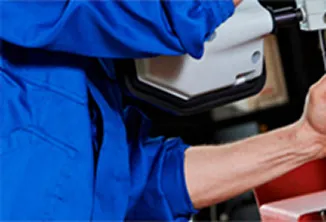
Heating
Whether it’s time for your next factory recommended maintenance visit, a routine check up. If you need a new heating unit
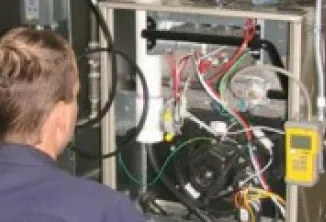
Furnace Repair
Quick Replacement of Failed Furnaces in NJ! If your gas furnace is red-tagged and can’t be repaired, we can quickly
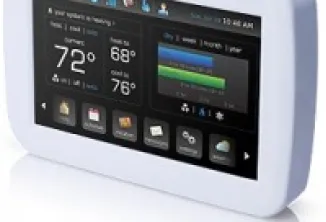
Cooling
Whatever make or model of cooling unit you have, it is a complicated system, and can suffer issues with performance.
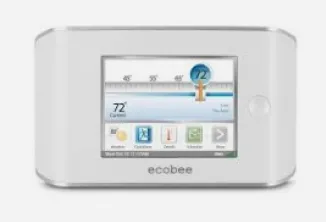
Thermosat Installation
Brighton Air Corp. is dedicated to keeping families in New Jersey cool! Specializing in residential and commercial AC installation Hassle free
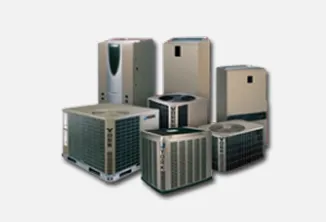
Commercial HVAC Sales/Services
With capacities from 3 tons to 25 tons, we can help you select the perfect model for your property.
Residential HVAC Sales/Services
We are a full-service heating company offering furnace repair & furnace cleaning in New Jersey. NapSince 1993, we have been
Our Expertise Since 2004
Over 150 years of combined experience!
(Heating, Ventilation, Air Conditioners, Furnace and Refrigeration)
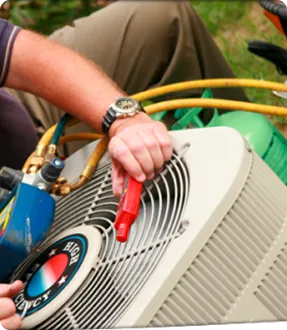
AC Repair
Brighton Air Corp. is dedicated to keeping families in New Jersey cool! Specializing in residential and commercial AC installation Hassle free
HEATING
With over 20 years of experience in the industry, the experts at Brighton Air Corp. know how to keep you
Furnace Inspection
When it comes to quality residential heating and cooling services, nobody does it better than Brighton Air Corp. We’re your
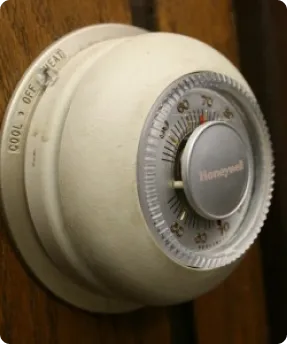
Thermostat Installation
Whether you want to fix your Honeywell thermostat or if you would like to install a Nest Learning Thermostat, we
Save your Money by letting us fix your unit
Right the first time
HVAC Services
HVAC service / maintenance is more than just inspections. Brighton Air Corp has licensed and
certified technicans that diagnosis the issue to get to the root of the problem. 973-258-1500
Heating
HVAC Repair
Base board heaters
Tune Up
Smart Thermostat Installation
MAINTENANCE SERVICES
Filter Replacement or Installation
Honeywell Thermostat Installation
Commercial HVAC Inspection
Residential HVAC Inspection
OTHER SERVICES
Boiler Repair
Gas Furnace Repair
Heat Pump Repair
Humidifier & Dehumidifier
We repair all Brands Goodman, Kenmore, Amana, Trane and others
NEWS



Brighton Air Cranford NJ 07016
973-258-1500
Bringhton Air Cranford NJ 07016
Bringhton Air Cranford NJ 07016
SERVICE Areas
©2026 Brighton Air Corp. All Rights Reserved. | Master HVACR Contractor, Lic. No. 19HC00053100 | NJ Home Improvement Contractor Reg. 13vh02333600 | Privacy Policy | Terms & Conditions